
California’s 2026 Auto Insurance Minimums: Why $30K/$60K/$15K Still May Not Be Enough After a Crash
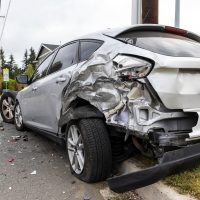
California raised its minimum auto insurance limits in 2025 for the first time since 1967. That was long overdue. But the new numbers, $30,000 per person for injuries, $60,000 per accident, and $15,000 for property damage, don’t stretch as far as they sound when a serious crash lands you in a hospital bed.
Senate Bill 1107 moved the floor. It didn’t set the ceiling.
Castillo & Montes Attorneys At Law has recovered over $700 million for injured people across Southern California. If you’ve been in a crash and you’re not sure whether the insurance is actually going to cover what you’re dealing with, call 800-497-9774 or contact us online. Our car accident lawyers in San Diego are here to help.
What SB 1107 Actually Changed, and What It Didn’t
For nearly 60 years, California drivers had to carry a bare minimum of 15/30/5 in liability coverage. Those limits were set when a new car sold for around $2,750. A hospital stay was a fraction of what it costs today. Vehicle Code §16056 sat unchanged while prices climbed year after year. Senate Bill 1107, signed by Governor Newsom in 2022, finally updated the numbers.
Starting January 1, 2025, every standard auto policy issued or renewed in California must carry at least 30/60/15. The California Department of Insurance confirmed that existing policies below those limits adjust automatically at renewal. Policies that renewed before January 1, 2025, may still carry the old 15/30/5 limits until the next renewal date, so checking your declarations page is worth the two minutes it takes.
What SB 1107 didn’t change: fault rules, your right to sue, or whether those minimums are actually enough for your situation. The law raised the floor. The ceiling is still determined by whoever caused your crash and what they’re carrying. Under the same bill, limits will increase again to 50/100/25 on January 1, 2035.
When $30,000 Per Person Runs Out
A trauma center visit after a serious San Diego crash isn’t a one-line bill. Think surgery for a fractured vertebra, a few nights in the ICU, weeks of physical therapy, and paychecks you didn’t get while you were recovering. Hospital utilization data puts the average inpatient hospital bill from a motor vehicle accident at over $50,000. That’s before follow-up care, before lost wages, before any long-term treatment.
The 30/60/15 minimum is a legal threshold, not a real-world benchmark. Most insurers privately recommend $100,000 per person and $300,000 per accident for anyone who asks. A car accident lawyer who works these cases routinely sees injured people whose total losses are two or three times what the at-fault driver’s policy will pay. The difference falls on the person who got hurt.
Catastrophic injuries, spinal cord damage, traumatic brain injuries, and severe burns cost well past six figures. Even with a higher-limit policy on the other side, those cases take detailed documentation to get every recoverable dollar on the table.
The $15,000 Property Damage Limit and Modern Vehicle Prices
The property damage minimum doesn’t get as much press as the injury limits, but it runs out just as fast. The average new vehicle in the U.S. now sells for over $48,000. A low-speed rear-end into a newer SUV or an electric vehicle, where bumper sensors, cameras, and radar units take the hit, can produce a repair estimate above $15,000 without the car being anywhere close to totaled. Whatever your insurer won’t cover, you’re left holding.
This is the section of the new law that gets the least attention and causes the most surprise. Drivers assume $15,000 is plenty for a fender bender. On a 2023 or newer vehicle, it often isn’t.
Uninsured and Underinsured Drivers Are Still a Real Problem
California law requires every driver to carry liability insurance. What the law can’t do is make sure every driver actually buys it. About 17% of California drivers are currently uninsured, according to DMV financial responsibility data. That number will likely climb as premiums increase following the SB 1107 rollout, since some drivers will drop coverage rather than pay more.
What UM/UIM Coverage Actually Does
Uninsured motorist (UM) coverage pays for your injuries when the other driver has no insurance. Underinsured motorist (UIM) coverage activates when the other driver’s policy exists but doesn’t cover your full losses. California doesn’t require you to carry either one, though every insurer must offer it. The California Low Cost Auto Insurance program gives income-eligible drivers a lower-cost option, but those policies are designed to meet the bare minimum, nothing more.
Why Skipping It Tends to Backfire
A lot of drivers waive UM/UIM to trim their monthly bill. That’s understandable. It’s also the decision that leaves them with almost nothing after a crash with an uninsured driver. Working with a car accident attorney at Castillo & Montes Attorneys At Law means having someone look at your whole coverage picture and find what’s actually available, not just what the other driver’s insurer is willing to offer.
What Your Options Are When the Coverage Runs Short
California runs on a pure comparative negligence system, rooted in Li v. Yellow Cab Co. (1975). That means if you were partly at fault in your crash, you can still recover damages, reduced by your percentage of responsibility. A jury that finds you 20% at fault cuts your award by 20%, not to zero.
When the at-fault driver’s policy hits its ceiling, other sources may be in play. Your own UM/UIM coverage is the first place to look. Beyond that, if a third party shares blame, such as an employer whose driver was on the clock, a government agency responsible for a dangerous road condition, or a parts manufacturer behind a mechanical failure, their coverage may also be reachable.
Crashes on the I-5 and I-8 corridors around San Diego frequently involve multiple vehicles and overlapping fault, which means overlapping policies too. Getting a clear read on who owes what before you sign anything matters.
A car accident attorney can work through those layers before you accept a number that closes your claim permanently. Once you sign a release, that’s the end of it.
Castillo & Montes Attorneys At Law: Your Car Accident Law Firm in Southern California
A crash changes things quickly, and the insurance side of it is usually more complicated than it first looks. Higher minimums help injured people get more. They don’t mean the coverage is enough, and they don’t mean the insurance company will hand over what you’re owed without a fight.
At Castillo & Montes Attorneys At Law, our team has spent nearly 25 years working these cases in San Diego and across Southern California. We review the policies, we push back when the offer is low, and we look for every source of recovery the law allows.
Contact our firm today or call 800-497-9774. Injury claim consultations are always free.


Attorney Domingo Castillo handles workers’ compensation, personal injury, family law & immigration throughout Southern California from our 5 offices: Indio, Pomona, Riverside, San Diego & Cathedral City. We help clients file injury claims, obtain residency & citizenship, and we assist families through divorce, child custody and all family law matters.


